Categories
Blog

What Are the Common Types of Roofing Repair Services Available?

Roofing repairs are crucial for maintaining the safety and longevity of your home. Whether you need minor fixes or extensive repairs, understanding the different types of roofing repair services can help you make informed decisions. In this article, we will explore some of the most common roofing repair services available to homeowners.

1. Leak Repair

One of the most common reasons for roofing repairs is leaks. A leaking roof can cause extensive damage to the interior of your home, including walls, ceilings, and insulation. The source of a leak can be difficult to identify without professional assistance, as water often travels along beams and other structural components before showing signs on the ceiling.

A roofing professional will inspect the roof to locate the leak and determine the best course of action. This could involve sealing cracks, replacing damaged shingles, or fixing damaged flashing. Roof leaks should be addressed immediately to prevent further damage.

2. Shingle Repair and Replacement

Shingles are a primary component of many roofs, but they can become damaged over time due to weather, wear, and tear. Missing, cracked, or curled shingles can lead to leaks and other issues, especially if they are not repaired or replaced promptly.

Roofing professionals are skilled in replacing individual shingles without needing to replace the entire roof. They will assess the damage and replace any shingles that are worn or broken. Shingle replacement can be a cost-effective way to extend the life of your roof and prevent further damage.

3. Flashing Repair

Flashing is a material that directs water away from key areas on your roof, such as chimneys, vents, and skylights. Over time, flashing can deteriorate, crack, or become loose, leading to leaks. Flashing repair is an essential service to prevent water from seeping into vulnerable areas.

Roofing contractors will inspect the flashing around critical areas and replace or reseal it as needed. Proper flashing repair is essential for ensuring that your roof remains watertight and continues to protect your home.

4. Gutter Repair and Cleaning

Gutters are vital for directing rainwater away from your roof and foundation. When gutters become clogged or damaged, water can overflow, causing damage to the roof and the home’s foundation. Clogged gutters can also lead to water pooling on the roof, increasing the risk of leaks.

Gutter repair and cleaning services ensure that your gutters remain functional. A professional will clear debris, check for any signs of damage, and repair or replace sections of the gutter system that are no longer working properly.

5. Roof Patching

Roof patching is a quick and effective solution for addressing small holes or areas of damage. It involves applying a patch over the damaged area to seal it and prevent leaks. Patching can be a temporary fix, but it’s often necessary to prevent further water damage while you plan for more extensive repairs or a roof replacement.

Roof patching is commonly used for smaller issues, such as minor leaks, holes caused by fallen branches, or small areas of missing shingles. It is essential to ensure that the patched area is well-sealed to prevent additional damage.

6. Roof Coating

Roof coating involves applying a protective layer over the existing roof to seal it and extend its lifespan. This service is typically used for flat or low-slope roofs and can help prevent leaks, improve energy efficiency, and protect the roof from the elements.

Roof coatings come in various forms, including elastomeric, silicone, and acrylic coatings. These coatings are designed to reflect sunlight, reduce the heat absorbed by the roof, and prevent damage from UV rays, rain, and wind. This service is often chosen by homeowners looking to enhance their roof’s durability without replacing it entirely.

7. Roof Inspections

Regular roof inspections are essential for identifying potential issues before they become major problems. A roofing contractor will assess the condition of your roof, looking for signs of wear and tear, leaks, and other damage.

Roof inspections are recommended annually or after significant weather events, such as storms or heavy snowfall. A comprehensive roof inspection will help you stay ahead of any issues and allow you to address repairs promptly, saving you money in the long run.

8. Roof Ventilation Repair

Proper ventilation is crucial for maintaining a healthy roof and attic space. Poor ventilation can lead to a buildup of moisture, which can cause mold, mildew, and rot. It can also lead to increased energy costs as heat becomes trapped in the attic during the summer months.

Roof ventilation repair services focus on ensuring that vents are functioning correctly and providing adequate airflow. This may involve repairing or replacing vents, sealing gaps, or adding additional ventilation to improve airflow.

9. Structural Repairs

Sometimes, roofing issues go beyond the surface level. Structural damage can occur due to extreme weather events, age, or poor installation. Structural repairs may be necessary if the framework of the roof is compromised, which can lead to sagging or even roof collapse.

Structural repairs are more extensive and may involve reinforcing or replacing roof beams, rafters, or supports. A professional roofing contractor will conduct a thorough inspection to assess the severity of the damage and recommend the best solution.

10. Roof Replacement

While roof repairs are often the go-to option for homeowners, there comes a point when a roof may be beyond repair. If your roof has reached the end of its lifespan or has suffered extensive damage, a complete roof replacement may be necessary.

Roof replacement is a significant investment, but it ensures that your home is fully protected. A roofing contractor will help you choose the best materials for your new roof and handle the entire installation process. Depending on the size and complexity of the roof, the replacement can take a few days to a week.

Conclusion

Roofing repair services play a crucial role in maintaining the integrity of your home. From leak repairs to structural fixes, there are various services available to address different types of damage. Regular maintenance and prompt repairs can extend the life of your roof and protect your home from further damage. Always hire a professional roofing contractor to ensure that repairs are done correctly and safely. Whether you’re dealing with minor issues or need a complete roof replacement, timely action can save you money and prevent serious problems down the line.

FAQs

1. How do I know if my roof needs repairs?

Signs of roof damage include leaks, missing or damaged shingles, water stains on ceilings, and a sagging roof. If you notice any of these issues, it’s essential to schedule a professional inspection to assess the condition of your roof.

2. How long do roofing repairs take?

The duration of roofing repairs depends on the type and extent of the damage. Minor repairs, such as shingle replacement or patching, may take a few hours, while more extensive repairs or replacements could take several days.

3. How much do roofing repairs cost?

The cost of roofing repairs varies based on the type of repair, the materials used, and the size of the roof. Minor repairs can cost a few hundred dollars, while major repairs or replacements can range from a few thousand dollars to more.

4. Can I repair my roof myself?

While some minor repairs, such as patching small holes, can be done by homeowners, it’s generally best to hire a professional roofing contractor. Roofing repairs often involve working at heights, and improper repairs can cause further damage or lead to safety risks.

5. How often should I inspect my roof?

It’s recommended to inspect your roof at least once a year. Additionally, after major storms or severe weather events, a roof inspection can help identify any damage early and prevent costly repairs down the road.
Categories
Blog

How to Install Metal Roofing

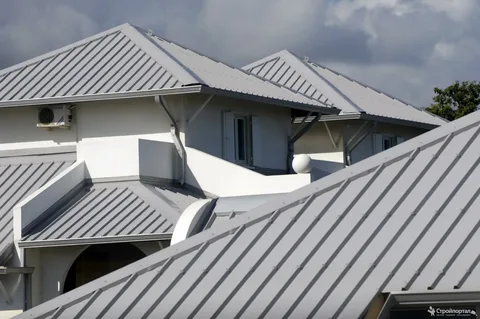
Metal roofing has become an increasingly popular choice for homeowners looking for durability, energy efficiency, and an attractive appearance. Whether you’re replacing an old roof or constructing a new home, installing a metal roof can provide long-lasting protection against the elements. In this guide, we will walk you through the essential steps to install metal roofing, ensuring that the process is both safe and efficient.

Why Choose Metal Roofing?

Before diving into the installation process, it’s important to understand why metal roofing is a great choice. Metal roofs are known for their longevity, with many lasting up to 50 years or more. They are also fire-resistant, lightweight, and energy-efficient, helping to keep your home cool in the summer and warm in the winter. Additionally, metal roofing is available in a variety of colors and styles, allowing you to customize the look of your home.

Preparing for Installation

1. Gather Your Materials

Before you begin, ensure that you have all the necessary materials and tools. The basic materials include:

  • Metal roofing panels
  • Roofing underlayment (such as synthetic or felt)
  • Flashing for chimneys, vents, and roof edges
  • Screws specifically designed for metal roofing
  • Ridge caps
  • Roof battens (optional, depending on the roof type)

You’ll also need the proper tools for the job:

  • Safety gear (gloves, goggles, and fall protection equipment)
  • Ladder
  • Tape measure
  • Chalk line
  • Drill with screwdriver bits
  • Tin snips (for cutting metal)
  • Hammer

2. Prepare the Roof Surface

Before laying down any metal panels, the roof deck must be properly prepared. Ensure that the decking is stable, dry, and free from debris. If you’re installing the metal roofing on an existing roof, inspect the shingles or underlayment. It’s usually recommended to remove old roofing materials to prevent moisture buildup and ensure a secure installation.

3. Install Roofing Underlayment

The underlayment provides an additional layer of protection against moisture and helps the metal roof adhere more securely. Lay the underlayment from the bottom of the roof upwards, overlapping each row to create a waterproof barrier. Secure it in place with staples or nails. Make sure the underlayment is taut and free from wrinkles.

Installing the Metal Roof Panels

4. Position the First Panel

Start at the edge of the roof and position the first metal roofing panel. Make sure it’s aligned properly along the edge and that it overhangs slightly to allow for proper water runoff. This panel should be placed flush with the roof’s edge.

5. Fasten the Panel to the Roof

Using screws, secure the metal panel to the roof deck. The screws should go through the raised ribs of the metal panels, not through the flat surfaces. This helps maintain the integrity of the panels and prevents leaks. Be sure to space the screws approximately 12 inches apart along the panel’s edge and throughout the length of the panel. Follow the manufacturer’s guidelines for screw placement to avoid damaging the panels.

6. Install Additional Panels

Continue to install the next panels, making sure each panel overlaps the previous one by about 1 to 2 inches. This overlap is crucial for preventing leaks and ensuring water runs off the roof properly. As you move along the roof, secure each panel in place with screws, following the same pattern.

7. Cut Panels as Necessary

In some cases, you’ll need to cut the metal panels to fit around obstacles like chimneys, vents, or skylights. Use tin snips to carefully cut the panels to the desired length. Always measure twice before cutting to ensure accuracy.

Installing Flashing and Ridge Caps

8. Install Flashing

Flashing is used around roof penetrations, such as chimneys, vents, and skylights, to prevent water from seeping under the roof panels. Flashing comes in various forms, including step flashing, counter flashing, and apron flashing. Install the flashing around these areas, ensuring a secure seal between the metal panels and the flashing.

For chimneys or vents, apply the flashing in layers, ensuring that each layer overlaps the next to create a watertight barrier. Fasten the flashing to the roof using screws or nails.

9. Add Ridge Caps

Ridge caps are installed at the top of the roof, where two roof slopes meet. These caps cover the gap and prevent water from entering. Position the ridge caps over the top of the roof and secure them with screws along the edges. Make sure the ridge caps overlap each other by a few inches to prevent any gaps.

Finishing Touches

10. Inspect the Roof

After the metal roofing panels are installed, do a thorough inspection of the entire roof. Check for any loose screws, gaps, or areas where water might leak through. Make sure all seams are securely fastened, and ensure that the flashing is properly sealed around roof penetrations.

11. Clean Up the Area

Once the installation is complete, clean up any debris or leftover materials. Dispose of any metal scraps, nails, or old roofing materials properly. Ensure the roof is free from any sharp edges or protruding nails that could pose a safety risk.

Conclusion

Installing metal roofing may seem like a complex task, but with the right preparation and attention to detail, it can be a rewarding project. By following these steps and ensuring that the roof is properly installed, you’ll be able to enjoy the benefits of a durable, weather-resistant, and energy-efficient roof for years to come. Always take safety precautions and consider hiring a professional if you’re unsure about any part of the installation process.

FAQs

What type of metal roofing is best?

The best type of metal roofing depends on your specific needs and preferences. Steel and aluminum are the most common materials. Steel is more durable and cost-effective, while aluminum is lighter and resistant to corrosion. Copper and zinc are also options, though they are more expensive.

Can I install metal roofing over shingles?

Yes, you can install metal roofing over existing shingles, but it’s not always recommended. While it can save time and money, it’s best to remove old shingles to ensure a more secure installation and prevent moisture buildup between the layers.

How long does a metal roof last?

Metal roofs are incredibly durable and can last 40 to 70 years, depending on the material. Steel roofs can last 40-50 years, while aluminum and copper roofs may last even longer. Proper maintenance can help extend the life of your roof.

Is it necessary to hire a professional for metal roofing installation?

While it’s possible to install metal roofing yourself if you have the proper tools and experience, hiring a professional roofing contractor is often the best choice. A professional will ensure that the roof is installed correctly and can help with complex roof designs.

Categories
Blog

The Best Metal Roofing Installation Services: Your Ultimate Guide

When it comes to roofing solutions, metal roofing stands out as a durable, efficient, and aesthetically appealing option. Its growing popularity among homeowners and businesses is no surprise, given its long lifespan, energy efficiency, and ability to withstand harsh weather conditions. If you’re considering metal roofing for your property, this guide to the best metal roofing installation services will help you make an informed decision.

Why Choose Metal Roofing?

Metal roofing offers several advantages that make it a superior choice:

  1. Durability and Longevity: Metal roofs can last 40-70 years, depending on the material. Unlike traditional asphalt shingles, they resist cracking, erosion, and weather-induced wear and tear.
  2. Energy Efficiency: Metal roofs reflect solar heat, reducing cooling costs by up to 25% in warmer climates. Modern options also come with energy-efficient coatings for enhanced performance.
  3. Eco-Friendly Option: Most metal roofs are made from recycled materials and are 100% recyclable at the end of their lifecycle, making them a sustainable choice.
  4. Weather Resistance: Metal roofs are highly resistant to wind, fire, and hail, providing unmatched protection for your property.
  5. Aesthetic Appeal: Available in various styles, colors, and finishes, metal roofs can complement any architectural design.

Types of Metal Roofing Materials

Understanding the available materials is essential when selecting a metal roof. The most common types include:

  • Steel: Known for its strength, steel roofing often features protective coatings to prevent rust.
  • Aluminum: Lightweight and corrosion-resistant, aluminum is an excellent option for coastal areas.
  • Copper: While more expensive, copper offers unmatched beauty and a natural patina over time.
  • Zinc: A durable and environmentally friendly option, zinc roofing is also self-healing when scratched.
  • Tin: Rarely used today, tin is a nostalgic option known for its classic appearance.

Key Features to Look for in Metal Roofing Installation Services

Choosing the right metal roofing installation service is crucial to ensure the roof performs at its best. Here are some features to prioritize:

  1. Experience and Expertise: Look for companies with a proven track record in metal roofing installation. Check their portfolio for completed projects.
  2. Certifications and Licenses: Ensure the contractor is licensed, insured, and certified by reputable roofing manufacturers.
  3. Comprehensive Services: A good contractor will offer consultation, material selection guidance, and detailed installation plans.
  4. Warranty Coverage: Reliable contractors provide workmanship warranties along with manufacturer warranties for the roofing materials.
  5. Customer Reviews and References: Check online reviews and ask for references to gauge customer satisfaction.
  6. Customization Options: The best services offer tailored solutions to meet your specific needs, including color, style, and material selection.

The Installation Process

Professional installation ensures your metal roof performs optimally. Here is what you can expect during the process:

  1. Initial Consultation: A detailed discussion of your needs, budget, and aesthetic preferences.
  2. Roof Inspection: The contractor will inspect your existing roof structure to determine if any repairs or reinforcements are needed.
  3. Material Selection: You’ll choose the type, style, and finish of your metal roofing material.
  4. Preparation: The old roof may need to be removed, and the surface prepared for installation.
  5. Installation: The metal panels are installed, ensuring proper alignment and sealing to prevent leaks.
  6. Finishing Touches: Trims, fasteners, and other details are added to complete the roof.
  7. Inspection and Cleanup: A final inspection ensures the roof meets quality standards, and the area is cleaned of debris.

Cost of Metal Roofing Installation

The cost of installing a metal roof varies depending on factors like material, roof size, and labor. On average, metal roofing installation can range from $5,000 to $20,000 or more. While the initial cost is higher than asphalt shingles, the long-term savings in maintenance and energy costs make it a worthwhile investment.

Top Benefits of Professional Installation

Hiring professionals for your metal roofing installation ensures:

  • Proper Installation: Avoiding issues like leaks and misaligned panels.
  • Time Efficiency: Professionals complete the job faster and with fewer disruptions.
  • Safety: Roof installation can be dangerous without the proper equipment and expertise.
  • Warranty Protection: Many manufacturers’ warranties are only valid if the roof is installed by certified professionals.

Maintenance Tips for Metal Roofing

To maximize the lifespan of your metal roof, follow these maintenance tips:

  • Regular Inspections: Check for loose fasteners, rust, or debris accumulation.
  • Cleaning: Remove dirt, leaves, and other debris to prevent water pooling.
  • Repainting: Apply fresh paint or coatings if the roof’s finish starts to fade.
  • Gutter Maintenance: Keep gutters clean to ensure proper water drainage.

Finding the Best Metal Roofing Installation Service Near You

To find a reliable contractor, start with online searches and ask for recommendations from friends and family. Use platforms like Yelp, Angi, or the Better Business Bureau to read reviews and compare services. When contacting contractors, ask for detailed quotes and verify their credentials.

Conclusion

Metal roofing is an excellent investment for homeowners and businesses looking for a durable, energy-efficient, and visually appealing roofing solution. By choosing the best metal roofing installation service, you can ensure your roof not only enhances the aesthetics of your property but also provides long-lasting protection. With proper care and maintenance, your metal roof will be a reliable shield for decades to come.

If you’re ready to upgrade your roof, don’t hesitate to reach out to trusted professionals who can guide you through the process and deliver outstanding results. Your dream metal roof is just a call away!

Categories
Blog

Expert Roofing Repair Services: Protecting Your Home from the Top Down

Your roof serves as the first line of defense against the elements, safeguarding your home and everything within it. Over time, wear and tear, weather conditions, and age can compromise its integrity. Roofing repair services are essential to maintain the safety, durability, and aesthetics of your property. This comprehensive blog explores the importance of timely roofing repairs, common issues homeowners face, and what to expect from professional services.

Why Timely Roofing Repairs Are Essential

A damaged roof can lead to a host of problems if left unaddressed. Here’s why prompt repairs are critical:

Maintain Curb Appeal and Property Value
A well-maintained roof boosts your home’s appearance and value. Potential buyers are more likely to invest in a property with a sturdy and visually appealing roof.

Prevent Escalating Damage
Small leaks or missing shingles can quickly escalate into larger issues, such as water damage, mold growth, and structural deterioration. Addressing problems early can save you from costly repairs down the line.

Protect Your Home’s Structural Integrity
A compromised roof can affect the overall structure of your home. Water infiltration can weaken walls, ceilings, and foundations, leading to safety concerns and expensive fixes.

Enhance Energy Efficiency
Cracks, gaps, or missing shingles can allow air to escape, increasing your heating and cooling costs. Roof repairs ensure your home remains energy-efficient, keeping your utility bills in check.
Common Roofing Issues Homeowners Face

Understanding the most common roofing problems can help you recognize when to call for professional repairs.

1. Leaks and Water Damage

Leaks are among the most common roofing issues. They typically occur around chimneys, skylights, or flashing points. Signs include water stains on ceilings, damp walls, or dripping water during rainstorms.

2. Missing or Damaged Shingles

Shingles can become loose, cracked, or blown away due to strong winds, hail, or age. Missing shingles expose the underlayment, making your roof vulnerable to leaks.

3. Sagging Roofline

A sagging roof indicates structural issues, often caused by prolonged exposure to moisture or inadequate support. It’s a serious concern requiring immediate attention.

4. Clogged Gutters

Debris accumulation in gutters can prevent proper water drainage, leading to roof damage over time. Regular gutter cleaning is essential to avoid this issue.

5. Flashing Damage

Flashing is the material used to seal roof joints and prevent water infiltration. Damaged flashing can compromise your roof’s ability to keep water out.

6. Ponding Water

Flat roofs are especially prone to ponding water, which can lead to leaks and structural damage. Proper drainage solutions are crucial to prevent this issue.

The Roofing Repair Process: What to Expect

When you hire a professional roofing repair service, here’s what you can typically expect:

1. Initial Inspection and Assessment

The process begins with a thorough roof inspection. Experts will assess the extent of the damage, identify problem areas, and provide a detailed repair plan and estimate.

2. Preparation and Safety Measures

Roof repairs often involve working at heights, so professionals take safety seriously. They use appropriate equipment and protective measures to ensure a secure working environment.

3. Repair Work

Depending on the issues, repairs may involve:

  • Replacing missing or damaged shingles
  • Fixing leaks with waterproof materials
  • Sealing or replacing flashing
  • Repairing structural components, such as trusses or rafters

4. Cleanup and Final Inspection

Once the repairs are complete, professionals clean up the work area and perform a final inspection to ensure everything is in top condition. They’ll also advise you on maintenance tips to keep your roof in great shape.
Proactive Roof Maintenance Tips

To extend the life of your roof and minimize the need for repairs, follow these maintenance tips:

Address Minor Issues Promptly
Fixing small problems quickly can prevent them from becoming major repairs.

Inspect Your Roof Regularly
Conduct visual inspections from the ground or use binoculars to check for damage. Schedule professional inspections annually or after severe weather.

Clean Gutters and Downspouts
Ensure gutters are free of debris to prevent water buildup and damage.

Trim Overhanging Branches
Branches can scratch your roof or break off during storms, causing damage. Keep them trimmed back.

Check Attic Ventilation
Proper ventilation prevents moisture buildup, which can damage your roof and insulation.
Choosing the Right Roofing Repair Service

When selecting a roofing contractor, keep these factors in mind:

Warranty: Opt for a company that offers warranties on their work and materials.

Experience and Expertise: Look for contractors with a solid track record and experience in handling various roofing issues.

Licensing and Insurance: Ensure the company is licensed and insured to protect you from liability.

References and Reviews: Check customer reviews and ask for references to gauge the contractor’s reliability.

Transparent Pricing: Choose a contractor who provides clear, detailed estimates and avoids hidden fees.

Conclusion

Your roof is one of the most critical components of your home, and maintaining its integrity is essential for safety, comfort, and property value. Whether you’re dealing with minor leaks or significant structural issues, professional roofing repair services provide the expertise and solutions you need. By addressing problems promptly and following proactive maintenance tips, you can ensure your roof remains in excellent condition for years to come. If you’re in need of reliable and expert roofing repair services, don’t hesitate to reach out to trusted professionals in your area. A well-repaired roof isn’t just an investment in your home—it’s an investment in your peace of mind.