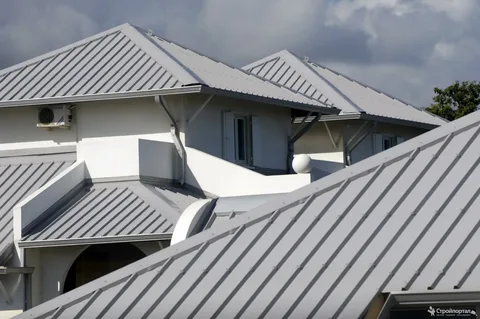
A roof is one of the most critical components of any shape, protecting the structure from the elements while adding to its aesthetic enchantment. Among the numerous roofing alternatives to be had, steel roofing stands proud as a superior preference due to its durability, electricity performance, and lengthy lifespan.
This article explores the benefits of long-lasting metal roofing, the different sorts to be had, set-up issues, and renovation tips to ensure remaining protection for your private home or industrial building.
Why Choose Metal Roofing?
Metal roofing is becoming an increasingly popular preference for both residential and industrial houses. Unlike conventional roofing materials such as asphalt shingles or wood, metal offers remarkable toughness and resilience. Here are a few key reasons why metallic roofing is a smart investment:
1. Exceptional Durability
One of the number one advantages of metallic roofing is its capability to resist harsh climate situations, including heavy rain, snow, robust winds, and severe heat. Unlike traditional materials, metallic does not warp, crack, or rot over time.
2. Long Lifespan
Metal roofs can last forty to 70 years or maybe longer with right renovation, considerably outlasting asphalt shingles, which usually require replacement every 15 to 30 years.
3. Energy Efficiency
Many steel roofing structures come with reflective coatings that reduce heat absorption, retaining homes cooler in the summer time and lowering energy prices. This makes metallic roofing a great choice for eco-aware homeowners.
4. Fire Resistance
Metal is a non-flammable material, making metal roofs incredibly fire-resistant. This function gives an added layer of protection, specifically in areas vulnerable to wildfires.
5. Low Maintenance Requirements
Compared to different roofing materials, metallic requires minimum maintenance. Occasional inspections and minor upkeep are all that’s needed to keep the roof in extraordinary condition.
6. Lightweight Yet Strong
Despite its power, metallic roofing is exceptionally lightweight, reducing structural pressure on buildings and making setup less difficult.
7. Environmentally Friendly
Most metallic roofing substances are made from recycled content and are 100% recyclable at the end of their lifespan, making them an environmentally sustainable choice.
Types of Metal Roofing
Metal roofing is available in diverse substances and patterns, allowing owners to pick out the quality alternative for his or her needs and preferences. Below are a number of the most common kinds:
1. Steel Roofing
Steel is one of the most widely used roofing materials due to its affordability and power. It is available in specific coatings, which include galvanized or Galvalume, which enhance rust resistance and durability.
2. Aluminum Roofing
Aluminum is lightweight, corrosion-resistant, and a wonderful choice for coastal regions where salt publicity is a situation. Although barely more expensive than metal, aluminum gives long-term value.
3. Copper Roofing
Copper is thought for its exceptional appearance and herbal patina that develops over the years. It is one of the longest-lasting roofing substances, lasting nicely over 100 years. However, its high fee makes it a premium product.
4. Zinc Roofing
Zinc is a self-recovery metal that clearly upkeeps scratches through the years, making it one of the longest-lasting roofing options. It is highly resistant to corrosion and requires minimum upkeep.
5. Tin Roofing
Although much less not unusual nowadays, tin roofing became traditionally used for its durability and rust-resistant homes. Modern tin roofs are generally crafted from metal lined with tin alloys.
6. Standing Seam Metal Roofing
This sort of metal roofing functions interlocking panels with raised seams, providing incredible water resistance and a swish, current look. It is ideal for residential and commercial buildings.
7. Metal Shingles
Metal shingles mimic the look of traditional roofing substances like asphalt, timber, or slate but provide the sturdiness and durability of steel.
Installation Process for Metal Roofing
A nicely established metal roof can offer many years of safety. Here are the important thing steps in the setup process:
1. Preparing the Roof Deck
Before installation, the existing roof may also want to be eliminated, and the underlying shape must be inspected for damage. A strong, smooth roof deck ensures proper attachment of the metal panels.
2. Installing Underlayment
A water-resistant underlayment is placed over the roof deck to offer extra moisture protection and insulation.
3. Measuring and Cutting Panels
Metal panels are measured and cut to match the roof’s dimensions. Proper slicing strategies help limit fabric waste and make sure unique becoming.
4. Attaching the Panels
Metal panels or shingles are established with the use of specialised fasteners or clips to secure them in location. Proper fastening strategies prevent leaks and ensure lengthy-time period stability.
5. Sealing and Flashing
Seams, ridges, and edges are sealed with flashing to save you from water infiltration and enhance the roof’s climate resistance.
6. Final Inspection
After set up, a thorough inspection is carried out to test for proper alignment, steady fastenings, and any areas of difficulty.
Maintenance Tips for Long-Lasting Metal Roofing
While metal roofing is low renovation, everyday care can amplify its lifespan and overall performance. Here are a few critical protection tips:
1. Conduct Regular Inspections
Inspect your roof a minimum of two times a year and after primary storms to test for unfastened panels, rust spots, or any signs of damage.
2. Keep Gutters and Drains Clear
Clogged gutters can cause water to back up and damage the roof’s edges. Regularly smooth gutters and downspouts to ensure proper drainage.
3. Remove Debris
Leaves, branches, and other particles can collect on the roof and purpose moisture retention. Clear any buildup to save you capability problems.
4. Check for Rust and Corrosion
Although most metal roofs are coated to face up to rust, small scratches or regions with excessive moisture publicity can increase corrosion. Treat affected areas directly to prevent in additional harm.
5. Trim Overhanging Branches
Overhanging tree branches can scratch the roof surface and cause untimely wear. Trim trees to save you damage and maintain your roof in a pinnacle situation.
6. Reapply Protective Coatings
Some steel roofs benefit from periodic recoating to beautify their weather resistance and extend their lifespan.
7. Address Repairs Immediately
If you observe any harm, leaks, or missing fasteners, address them right away to prevent minor troubles from turning into expensive maintenance.
Conclusion
Investing in long-lasting metal roofing is one of the quality selections you may make for your private home. With its exquisite sturdiness, energy performance, and low renovation necessities, metallic roofing gives unmatched safety and durability.
By choosing the right type of metal roofing, making sure of the right setup, and following regular renovation practices, you may revel in a stable and aesthetically pleasing roof for decades. Whether you opt for metallic, aluminum, copper, or some other steel material, a high-quality metal roof will provide ultimate safety against the factors even as improving your private home’s fee and shrink enchantment.
If you’re thinking about upgrading your roof, metal roofing is an extended-term answer that grants energy, sustainability, and style. Make the smart choice today and experience the advantages of a metallic roof for years to come.